Markets Are Watching September 24: What the Trump–Xi Summit Means for Diversified Portfolios
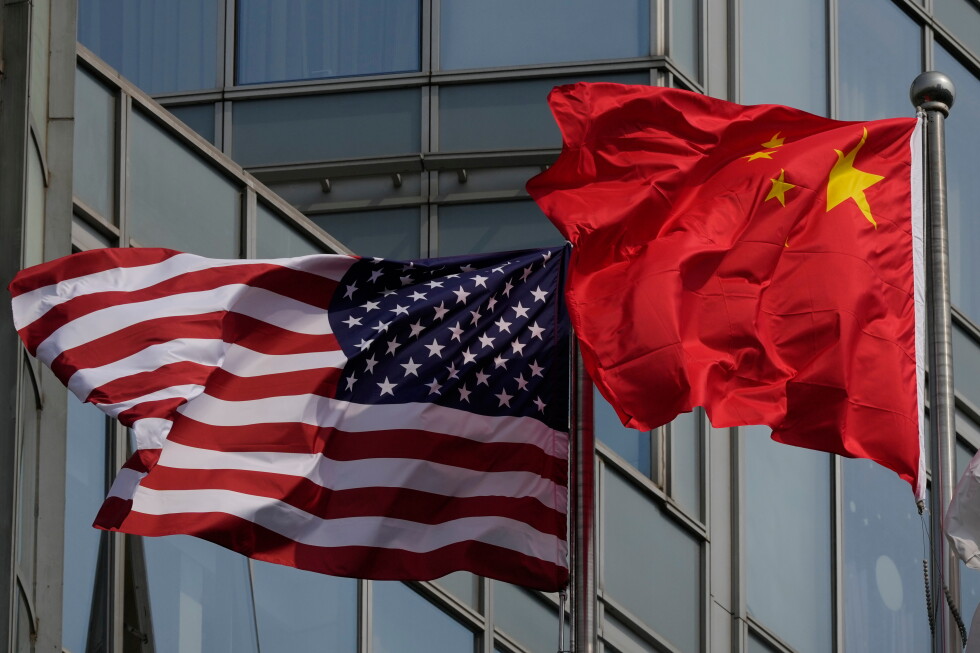
Equity markets opened this week in a holding pattern, with US index futures edging higher and oil holding recent losses as investors wait for one specific date: 24 September 2026, when President Trump hosts Chinese President Xi Jinping at the White House. For advisers, it is a useful reminder of how much a single, scheduled political event can now move global markets — and why portfolios built around a single region or asset class carry more concentrated risk than clients may realise.
Why This Summit Matters
The 24 September meeting is not a routine diplomatic visit. It is the follow-up to the trade truce Trump and Xi struck in Busan, South Korea, in October 2025, which paused the tit-for-tat tariff escalation between the world’s two largest economies. That truce is due to expire roughly five weeks after this summit, and both sides want an extension — the disagreement is over how long. Washington is reportedly pushing for a shorter extension to preserve negotiating leverage, while Beijing is understood to want the truce to run for the remainder of the current US administration.
Alongside trade and tariffs, the agenda reportedly touches technology export controls, rare earth minerals, and even security issues tied to the broader US-China relationship. Goldman Sachs’ European trading desk described this as “the moment of maximum leverage for both sides” — language that captures why markets are treating the outcome as genuinely uncertain rather than a formality.
A Market Already Pricing In Geopolitical Risk
This uncertainty is arriving on top of an already jumpy macro backdrop. Just last week, the Federal Reserve raised interest rates for the first time since 2023, and the Bank of Japan followed with its own quarter-point hike, taking its policy rate to its highest level since 1995 — though the yen weakened regardless, after two policy committee members dissented from the decision.
Oil markets add a further layer. Saudi Arabia’s move to cancel crude cargoes following a pipeline closure has kept energy prices volatile, and the relationship between oil prices and government bond yields has strengthened to its closest since 2020, as Middle East tensions continue to feed directly into inflation expectations. In other words: a trade summit, two central bank decisions, and an energy market on edge are all playing out within the same fortnight.
Why Diversification Is the Right Response, Not a Guess
No adviser can call the outcome of a single summit, and no portfolio should be built as if they could. What this week illustrates well is why geographic and asset-class diversification matter more, not less, when a handful of headline events are capable of moving markets in either direction.
TEAM’s UCITS funds — the Multi Asset Growth, Balanced and Conservative strategies — are built precisely for this kind of environment, spreading client exposure across regions and asset classes so that a single event, whether a summit outcome, a central bank surprise, or an energy shock, does not disproportionately drive a client’s results. International Property Investment offers a similar logic in a different asset class, giving clients exposure beyond a single domestic market at a time when currency and policy divergence between major economies is widening.
For clients who want to stay invested through event-driven volatility like this without taking on unhedged directional risk, Structured Notes remain a useful tool: a defined payoff linked to an underlying index or basket can be built with capital protection or an enhanced yield feature, giving advisers a way to keep clients positioned through a period of known, scheduled uncertainty rather than asking them to simply wait it out in cash.
The Adviser Conversation This Week
With the summit just days away, this is a good moment for advisers to check that client portfolios are genuinely diversified across regions and asset classes, rather than concentrated in a handful of large-cap, US-centric positions that would be most exposed if trade talks disappoint.
At NEBA Financial Solutions, we work with advisers to build portfolios that can hold their footing through exactly this kind of event calendar, whether through the structure of a note or the breadth of TEAM’s fund range.
Written by Rachel Safira
