
The Strategic Pivot: How the UAE Is Engineering Its Way Around the Strait of Hormuz
The UAE is pursuing one of the most significant structural shifts in modern sovereign logistics: a deliberate move to reduce its dependence on the Strait of Hormuz, one of the world’s most strategically important maritime chokepoints, through which roughly one-fifth of global oil and LNG flows.
Following renewed volatility in the Gulf and recurring disruption risks to the Strait, the UAE has been advancing a comprehensive “zero Hormuz dependency” strategy. As UAE Minister of Foreign Trade Thani Al Zeyoudi has stated, the objective is explicit: to eliminate reliance on the Strait regardless of geopolitical conditions. This marks a clear pivot from simply managing vulnerability toward engineering structural independence.
Expanding Eastern Gulf Infrastructure
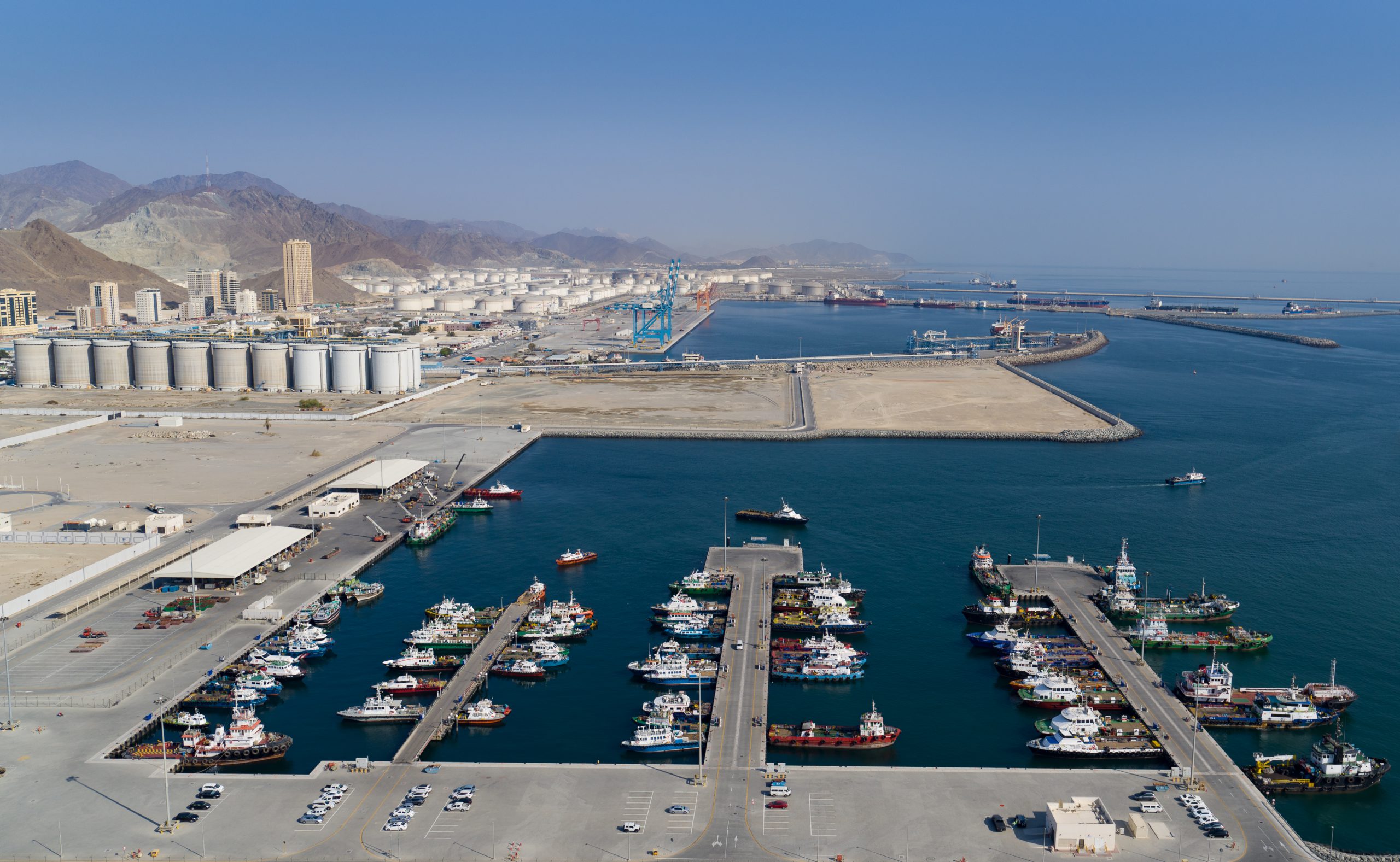
At the heart of this transformation is a rapid expansion of eastern Gulf of Oman infrastructure, including the ports of Fujairah, Khor Fakkan and Dibba, alongside plans for additional deepwater capacity. Positioned outside the Strait, these assets provide direct access to global shipping lanes and materially reduce exposure to maritime disruption risk.
This port expansion is being reinforced by a parallel build-out of midstream infrastructure. The UAE is scaling up pipeline capacity linking Abu Dhabi’s oil fields to its eastern coastline, including a second Habshan-Fujairah pipeline designed to significantly enhance crude export flexibility, with further expansion options under active consideration. Complementary investment in rail and road networks is also strengthening inland connectivity between production hubs and eastern export terminals.
The strategy extends beyond crude oil to LNG, petrochemicals and refined products, although rerouting these flows at scale remains more complex. Existing LNG infrastructure within the Gulf continues to play a critical role, even as additional capacity is developed to diversify export pathways.
A Response to Recent Shocks
The urgency of this programme has been underscored by recent geopolitical shocks, which have exposed the fragility of regional trade routes and highlighted the economic cost of disruption. While the UAE has partially mitigated constraints through increased utilisation of Fujairah and Khor Fakkan, alongside alternative logistics routes such as air freight and third-country transshipment hubs, these measures remain transitional responses to a structural challenge.
Ultimately, the UAE’s approach reflects a broader investment-grade principle: in an environment of persistent geopolitical uncertainty, supply chain resilience is sovereign policy. By embedding export redundancy into its energy architecture, the UAE is protecting its primary revenue base, reducing volatility in its credit profile and strengthening long-term fiscal predictability.
Implications for Sovereign Credit
This operational resilience is a key pillar underpinning Abu Dhabi’s strong sovereign credit standing. Supported by major sovereign investment platforms, including Mubadala and broader sovereign wealth structures, the emirate benefits from a fortress-like balance sheet and a substantial net external asset position. Combined with disciplined fiscal management, this provides significant capacity to absorb external shocks.
As a result, Abu Dhabi has consistently maintained a high-grade sovereign AA rating since 2017. UAE sovereign and quasi-sovereign instruments continue to offer investors a compelling combination of yield, liquidity and credit quality.
At NEBA Financial Solutions, we continue to monitor developments across global markets and assess how changing economic conditions may impact investment opportunities. Understanding the structural drivers behind sovereign credit quality remains central to evaluating opportunities across the region. This kind of structural resilience is exactly the backdrop we consider when designing and selecting investment solutions for advisers and their clients.
If you would like to discuss how developments like these may shape opportunities within your portfolio, our team is here to help.
📩 Get in touch: info@nebafinancialsolutions.com
This article is based on insights and analysis provided by TEAM.
